The Different Types of Food Coloring and When to Use Them
Larn the in'due south and outs of food coloring with this helpful guide.
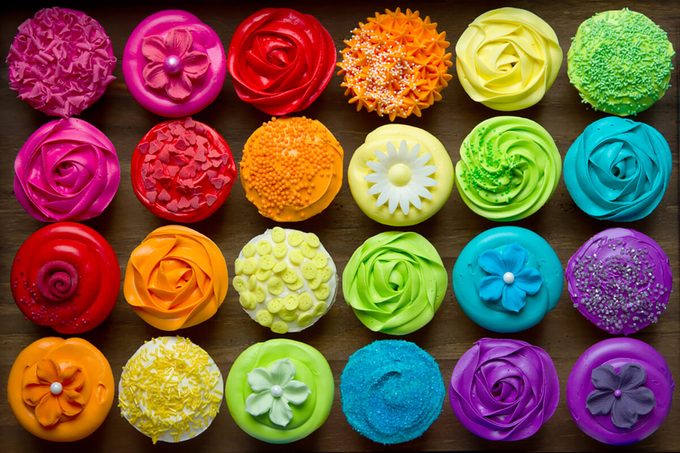
Whether you're making Grandma'due south red velvet cake or adding the finishing touches to your holiday cookies, agreement how to utilize food coloring is essential to make your icings, candies and various sweetness treats stand out. While traditionally most cooks stick to liquid coloring, there several options for tinting foods, and each has its ain benefits and quirks.
Traditional liquid nutrient coloring (liquid dye)
Traditional liquid coloring for nutrient is an inexpensive option. Information technology'south the best kind to use when yous want a lighter tint. With large desserts, like cakes, information technology tin take a few bottles to create a rich, vibrant colour. However, it just takes a drop to make the pretty pastel filling in these dreamy cream wafers.
Liquid food coloring is usually made with synthetic dye in a water base. It's often sold in modest plastic squeeze bottles, which are groovy for beginners because yous can add as many (or as few) drops as you'd like until you reach the desired hue.
Liquid gel dye
Liquid gel dye is like to its traditional counterpart every bit it consists of synthetic coloring with a base of h2o, glycerin or corn syrup. Like plain liquid dye, it'due south sold in small dropper bottles. But the 2 products similarities end there. Requite a bottle of liquid gel dye a squeeze and out comes a much thicker, gel-like liquid. The dye is very concentrated, and so a lilliputian goes a long way. This type of food coloring works bang-up for creating bright color. The downside of liquid gel dye is that it's not as readily bachelor equally the traditional liquid dye, and it tin be somewhat difficult to find. As well, its thick consistency makes it hard to spread evenly into doughs. Stick to using information technology for icings and your favorite homemade candies.
Gel paste dye
Though yous'll probable only find this concentrated gel in a specialty store, information technology'due south worth the trip if you're looking to give a large batch of batter a bold await. But like liquid gel dye, it's fabricated out of synthetic coloring with a h2o, glycerin or corn syrup base. The paste is packaged up in small-scale pots or jars. Since gel paste dyes are very thick, information technology'southward best to use a toothpick to collect the paste, calculation very small amounts at a time to what you're coloring. If you're trying to avert a mess—or if you take clumsy easily or if there are kids involved—this is a nifty selection, equally its liquid components can spill and splatter. Warning: if you don't know how deep you'd similar your color to look, this isn't the all-time choice. It doesn't allow for a lot of for trial and mistake. And since its consistency is semi-solid, information technology tin besides be tricky to work into dough.
Natural food colorings
For anyone who wants to steer clear of synthetic dyes, natural food colorings practice exist. Yous won't discover whatsoever glycerin or corn syrup in them. They can exist difficult to locate, but an online search is all it takes to lodge them quickly or to assistance you lot find a specialty shop in your expanse. (Here'due south where to find our summit pick from Amazon.) Available in small dropper bottles, the unlike colors come from plant sources. For instance, saffron or turmeric is used to make yellow, carrot juice makes orange, and beets make crimson tones. They are great to use for anyone with an allergy to synthetic dyes. No neon hither, though. Used drop by drop, natural food colorings are best for achieving a subtle, bawdy hue.
Powdered dye
Powdered dyes are made out of synthetic coloring with no h2o, glycerin, or corn syrup. They're sold in jars of totally dry out powder. There are many ways to use it: add a pinch of the pulverisation to your dry mixture or combine it with a few drops of articulate booze for a paint-like consistency. You can even dust it onto foods to create a gentle stop.
Powdered dye is best to utilise in recipes that are sensitive to whatever added liquid, like chocolate or macarons. Just use sparingly, as the pulverisation can produce a very dark color.
Larn something new? Nosotros sure did. Now that you know which dye works best for your recipe, get forth and bake with all the colors of the rainbow.
Get Started With These Colorful Recipes
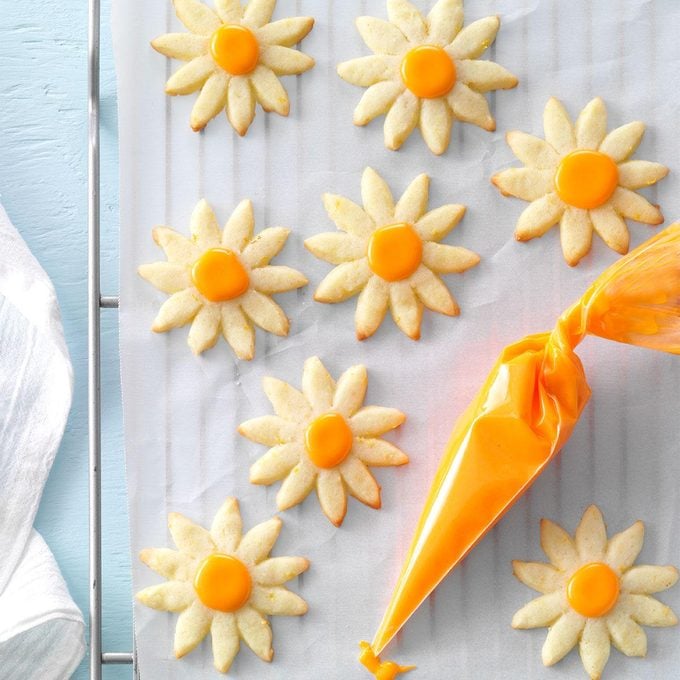
Orange Sugar Cookies
I make these citrusy cookies for parties and special occasions, and we always get to consume the ones that don't come out perfectly. Eventually I had to showtime making actress "mistakes" to keep my family happy! —Myrrh Wertz, Milwaukee, Wisconsin
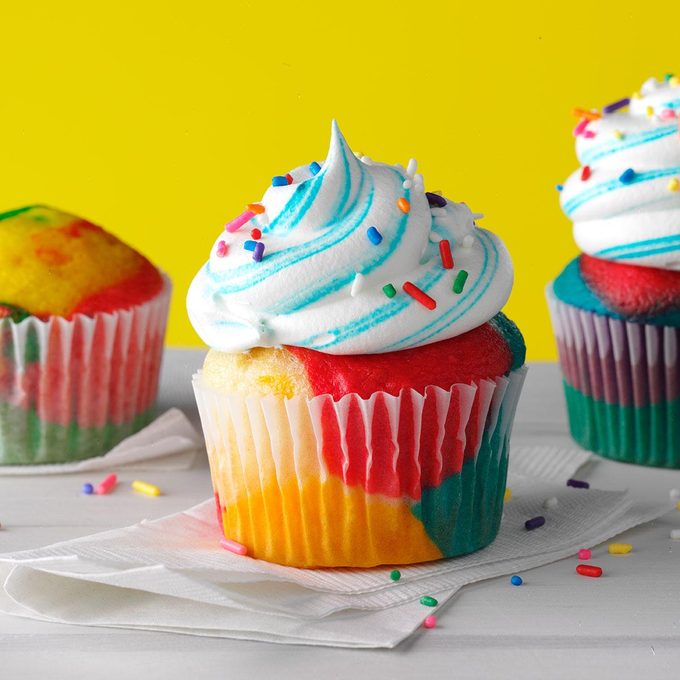
Rainbow Cupcakes
I've been making these colorful cupcakes with my mom since I was in high school. The cheery sweets are as fun to make as they are to eat. —Tammy Quinn, Lynden, Ontario
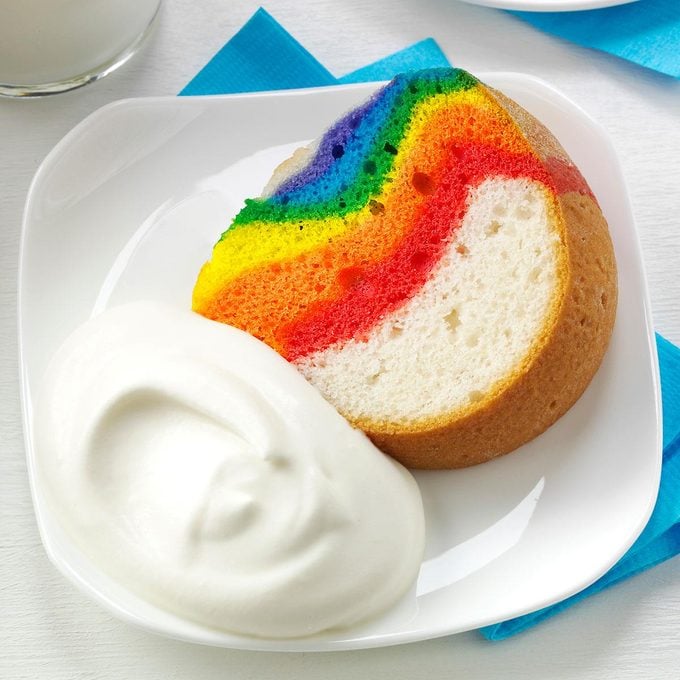
Rainbow Cake with Clouds
Some cakes stand on their own without icing. For this bright Rainbow Block, employ a little whipped cream to make fluffy clouds. —Janet Tigchelaar, Jerseyville, Ontario
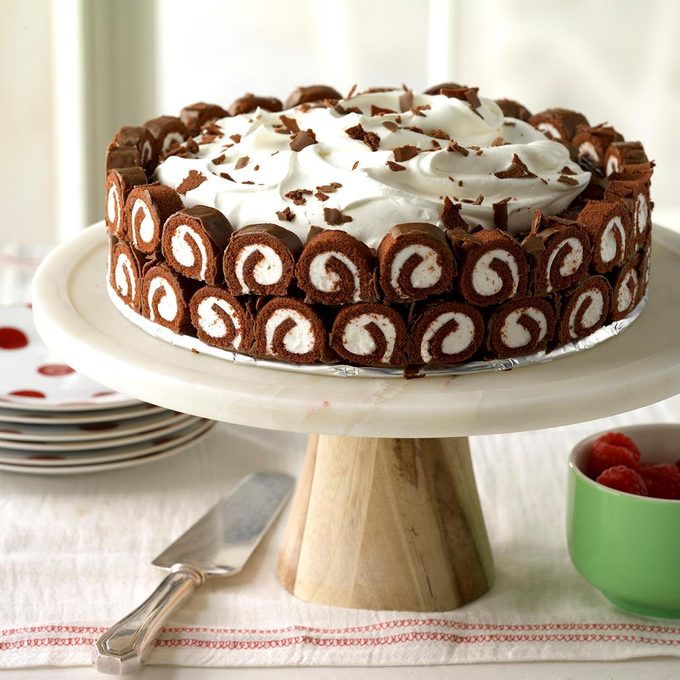
Chocolate Swirl Delight
I made a few updates to a not bad recipe and concluded up with an impressive dessert. Everyone loves its light texture and chocolaty flavor. —Lynne Bargar, Saegertown, Pennyslvania
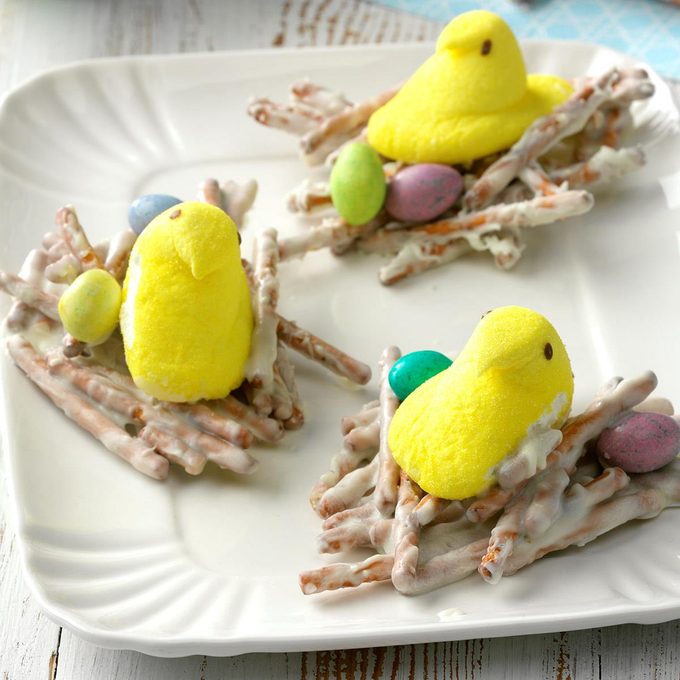
Bird Nests
This is a fun, kid-friendly recipe I pulled together a few years agone. My kids love helping me make these. —Jessica Boivin, Nekoosa, Wisconsin

Chocolate-Dipped Beverage Spoons
These make a beautiful souvenir when wrapped individually in cellophane, tied with colorful ribbon and displayed in a Christmas mug. To set the chocolate chop-chop, arctic dipped spoons in the freezer. —Marcy Boswell, Menifee, California
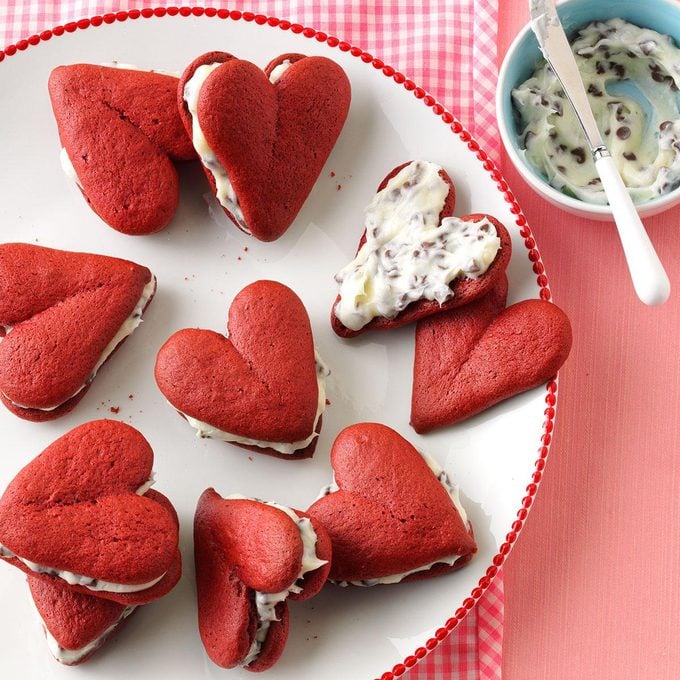
Chocolate Chip Carmine Velvet Whoopie Pies
Baking a fun care for is a must when my iv grandchildren come to stay for "grandma camp." Sometimes the grandkids help by piping the block batter. —Linda Schend, Kenosha, Wisconsin
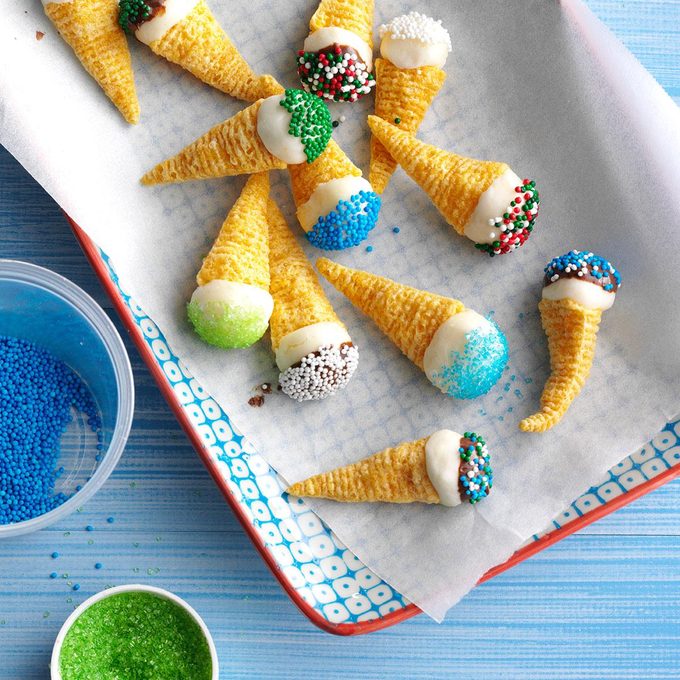
Bugle Cones
Making these treats is a breeze. I only whip up a sugary filling, roll it into small assurance to resemble scoops of water ice cream and perch them on pinnacle of Bugle corn snacks. And so I roll them in sprinkles or nuts.—Dianne Conway, London, Ontario
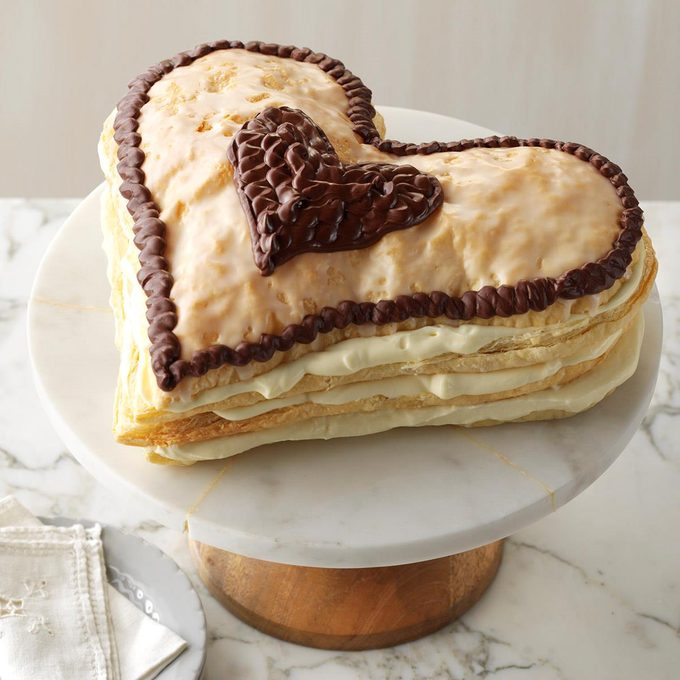
Heart'south Delight Eclair
This lovely and luscious treat is rumored to have been the favorite dessert of European royalty long ago. I know that it'due south won the hearts of everyone I've ever fabricated it for. Savor! —Lorene Milligan, Chemainus, British Columbia
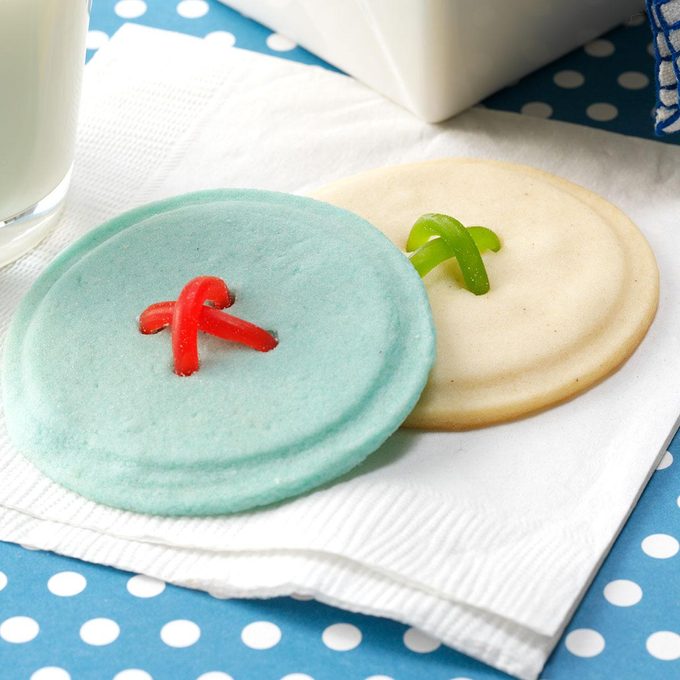
Crisp Button Cookies
Almost too cute to eat only too sweet to resist, these clever cookies take minutes to make. They'll disappear every bit rapidly! Bonnie Buckley - Kansas Metropolis, Missouri
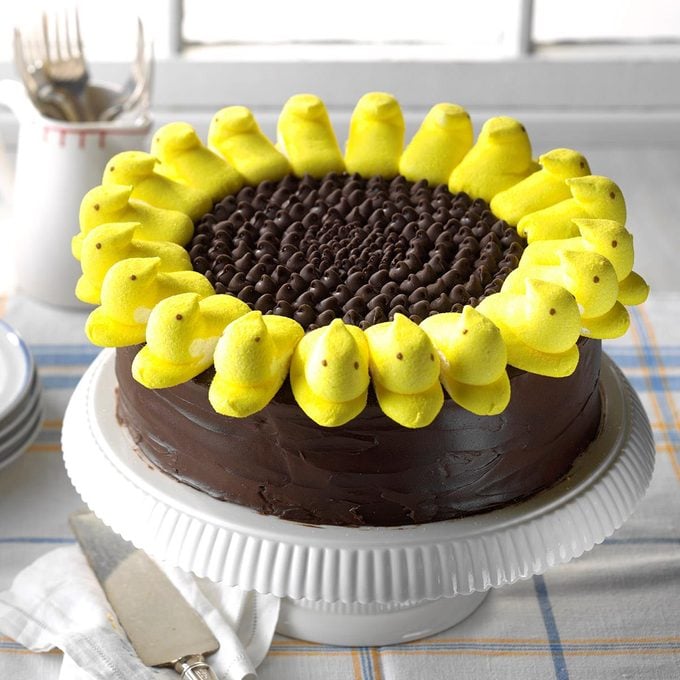
Peeps Sunflower Cake
The inspiration for this cake came from one of my favorite flowers, the sunflower. The yellowish peeps make eye-catching bloom petals, and I carefully placed chocolate fries in a circular pattern to resemble the seeds in the heart of a sunflower. This block is easy, just looks quite impressive. —Bethany Eledge, Cleveland, Tennessee
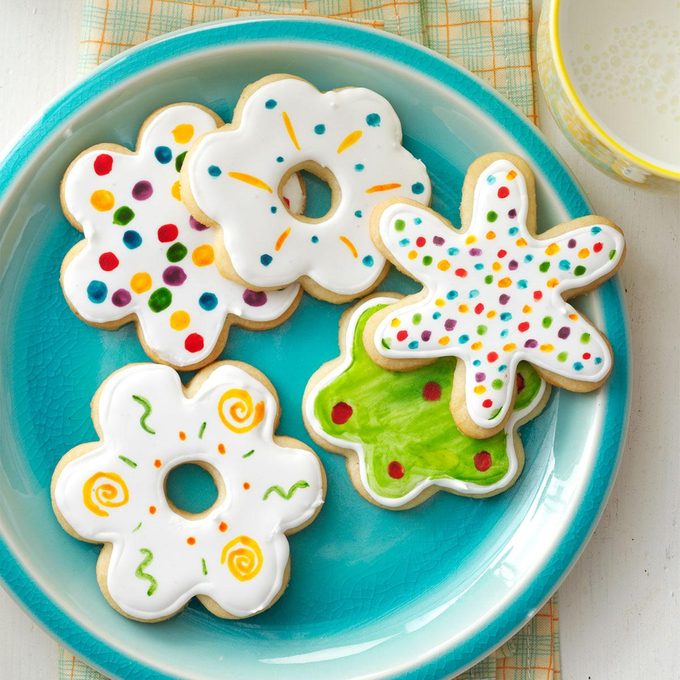
Best-Ever Carbohydrate Cookies
What makes these cookies the best ever? A delicious foam cheese dough flavored with vanilla, almond and a hint of nutmeg that'due south wonderfully piece of cake to piece of work with. The adorable decorations don't hurt, either! —Christy Hinrichs, Parkville, Missouri
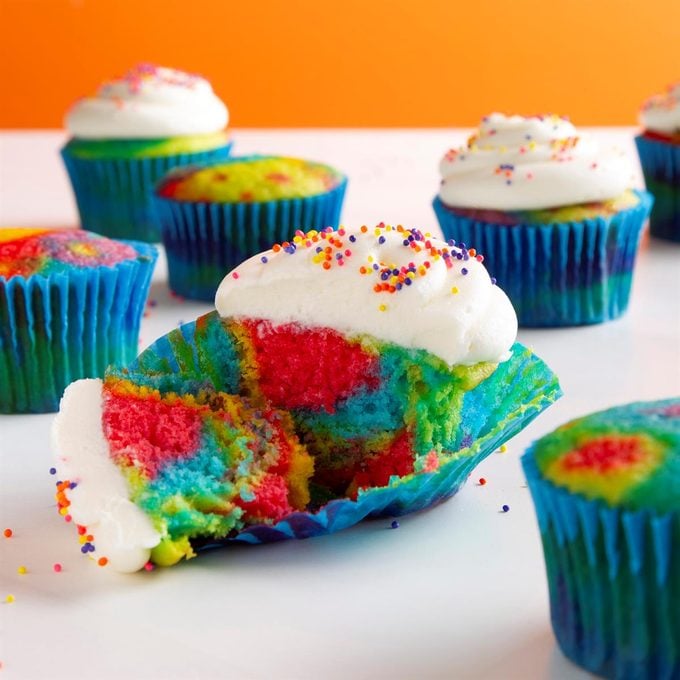
Tie-Dyed Cupcakes
Take a trip back to the sixties with these sweetly psychedelic cupcakes. Each is a unproblematic white cake, but tinting the batter all the colors of the rainbow makes them funky and fun!— Gwyndolyn Wilkerson, Kyle, Texas
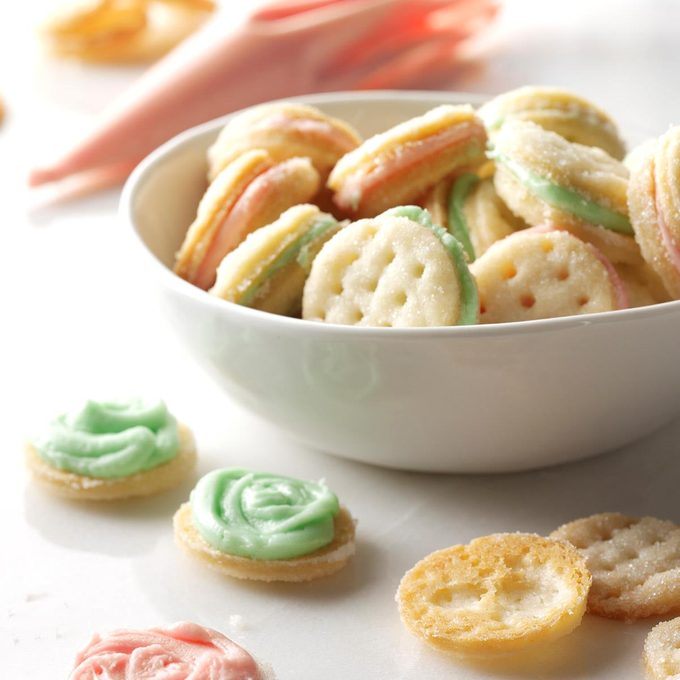
Foam Wafers
My sons used to help me make these cookies, and now my oldest granddaughter helps. When the smaller grandchildren are home, they assist, too. The beautiful little sandwich cookies are tender, buttery and cook-in-your-oral cavity good! —Linda Clinkenbeard, Vincennes, Indiana
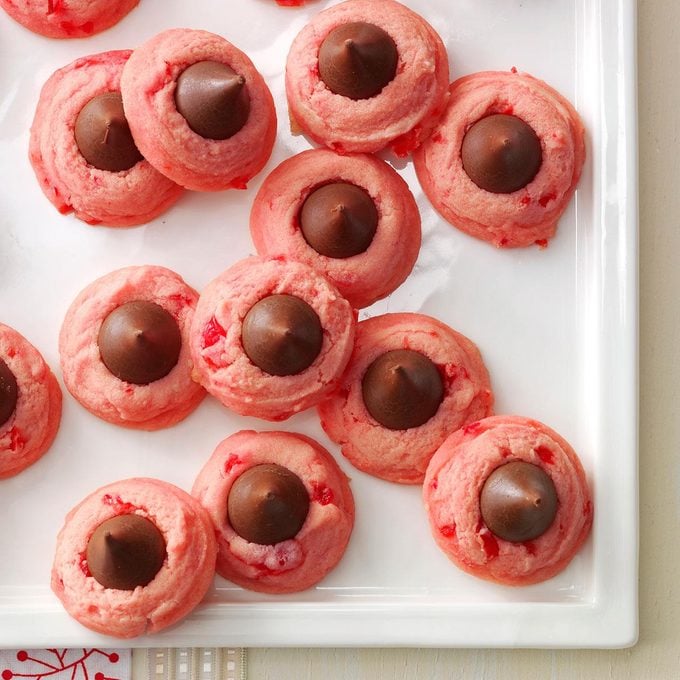
Scarlet Buss Cookies
Topped with a chocolate kiss, these cherry-flavored cookies expect super cute on a dessert tray. Share them with family and friends. —Joy Yurk, Grafton, Wisconsin

Lots of Dear Ruby-red Pies
Go the Queen of Hearts when you make these tart-manner blood-red pies (but without the pepper and treacle, as in "Alice and Wonderland"). Made as single servings, they disappear at the hands of friends and knaves alike. —Gustatory modality of Dwelling Test Kitchen
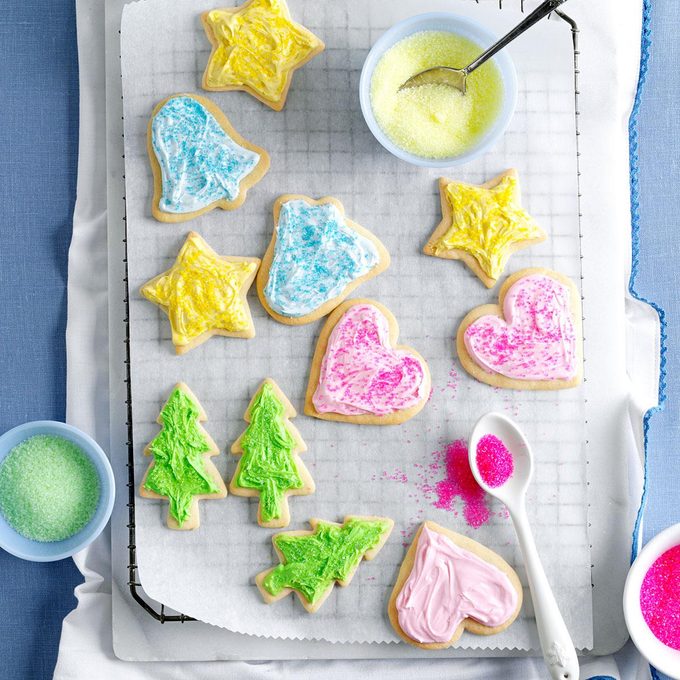
Deluxe Sugar Cookies
Christmas cutouts point the holiday flavour. For variety, sprinkle half of the cookies with colored sugar before baking and frost the remaining ones later on they're cooled.—Dawn Fagerstrom, Warren, Minnesota

Cool Watermelon Pops
The kids are going to flip for the miniature chocolate chips in these picture-perfect pops. They're almost too cute to eat (but you'll be glad you did). —Gustatory modality of Home Test Kitchen
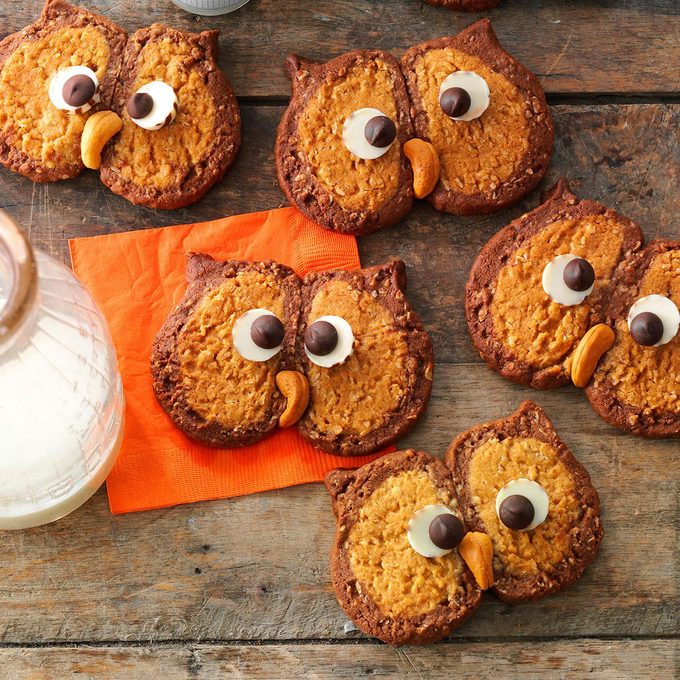
Owl Cookies
I came upwardly with these cookies as a treat for my kids' course parties. Not only do they look cute, but they are as well delicious.—Starrlette Howard, Ogden, Utah
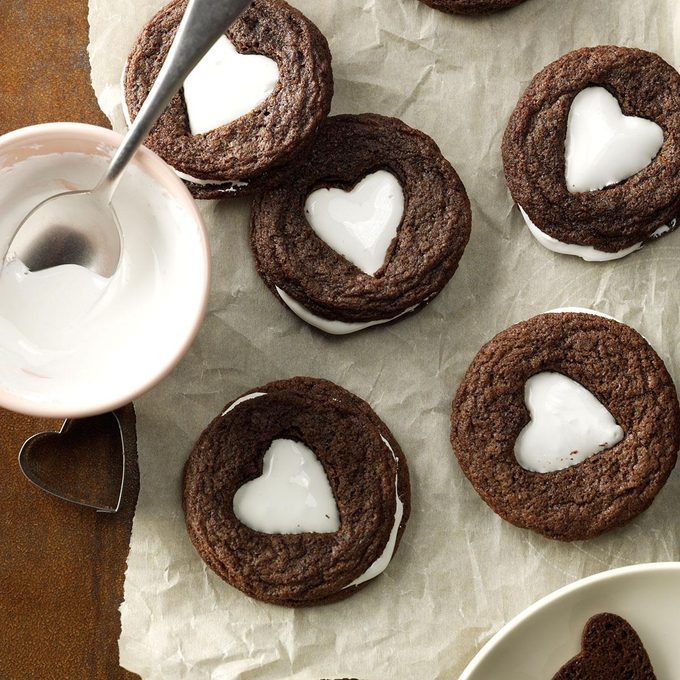
Chocolate Marshmallow Cutouts
I make rich, fudgy cookies that taste like brownies with a marshmallow filling. I unremarkably use heart-shaped cutters, but I've also left them uncut and filled with pink marshmallow creme.—Kelly Ward, Stratford, Ontario
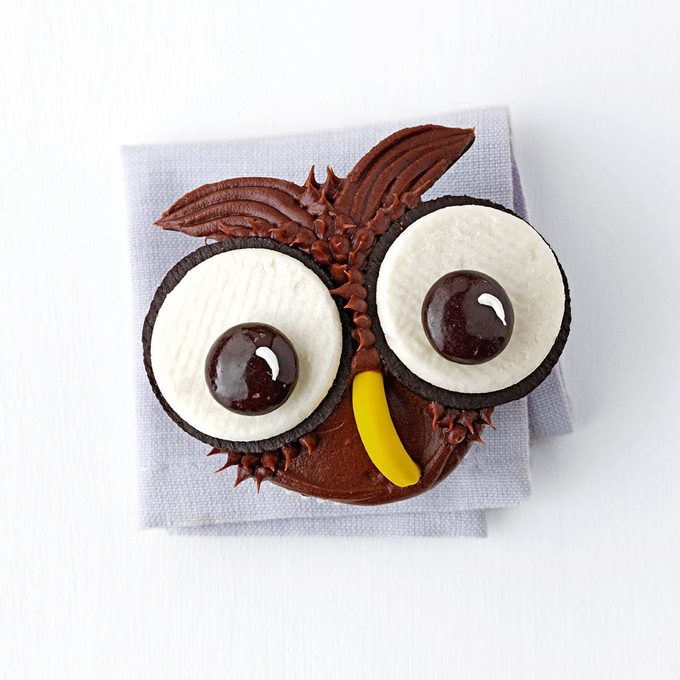
Give a Hoot Cupcakes
Hoot hoot! Party guests volition be "eyeing up" these treats long earlier you lot serve dessert! They make a lasting impression and just require six ingredients to make. —Taste of Home Exam Kitchen
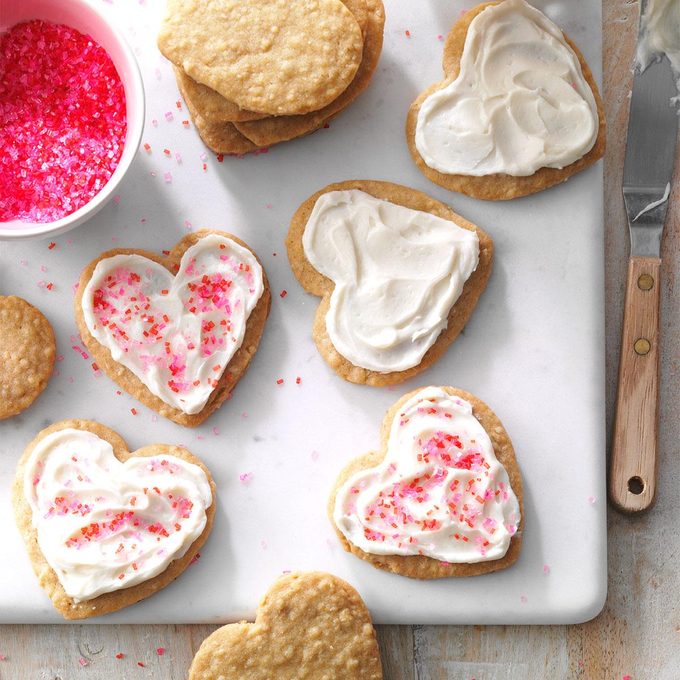
Oatmeal Rollout Cookies
For special events, my mother would bring these cookies to the rural school I attended. She decorated each cookie with a student's name written in frosting.—Sally Gores, Almena, Wisconsin

Piggy Pops
Anyone with a sugariness tooth volition become hog wild for these candy-coated pigs. My mother-in-law and I made the cute, cookie pops for a broil sale.—Lorri Reinhardt, Big Bend, Wisconsin
Source: https://www.tasteofhome.com/article/types-of-food-coloring/
0 Response to "The Different Types of Food Coloring and When to Use Them"
Postar um comentário